Blog

Surviving (and Thriving in) My First Year of Junior High Library Class

If you had told me at the beginning of this school year that a blended 7th and 8th-grade library class would become one of my favorite parts of my week, I might not have believed you.

Coming from an elementary background, the thought of staring down a classroom of junior high students for 90-minute blocks, two and three times a week, felt a little intimidating. How was I going to keep them engaged? How do you fill that much time without losing them to the abyss of middle school eye-rolls?

But as the year wrapped up, I looked back and realized it was an incredible success. Having those long blocks actually allowed us to dive into deep, meaningful research activities that you just can’t squeeze into a standard 45-minute elementary rotation.

My secret weapon? Mixing it up every single week. If you are starting a new junior high library class next year, here is a breakdown of some of the units, resources, and activities that kept my students engaged, talking, and learning.

Media Literacy & Big Discussions

Junior high students are drowning in digital media, but they don’t always know how to navigate it. We dived deep into digital citizenship and internet safety using Above the Noise (via KQED/PBS).

  • How I used it: These videos are sharp, fast-paced, and highly relevant to teens. I paired them with video guides for the students to fill out as they watched to keep them focused. I also used this as an opportunity to practice Google Slides and Canva. Students summarized what they learned by creating presentations in one of these.
  • The result: This completely unlocked the room. It led to some of the most insightful, honest discussions and discoveries about social media algorithms, fake news, and digital footprints.

Collaborative Research with a Retro Twist

To teach research skills without hearing the groaning and complaining, I used videos from Retro Report (an incredible resource that connects history to current events).

  • How I used it: We used their investigative videos to look at topics like invasive species and media frenzies. Students worked in groups to unpack the history, analyze the media’s role, and conduct their own deep-dive research based on the prompts.

Creative Writing & Author Deep Dives

With 90 minutes on the clock, we had the luxury of slowing down for multi-step creative projects. Two of our absolute favorite writing and research units were:

  • “Library After Dark” Creative Writing: I challenged the students to write a creative story about what happens in our library when the lights go out. Giving them the freedom to write ghost stories, fantasy adventures, or mysteries set in their actual school building sparked incredible creativity.
  • Author Deep Dives: Instead of a generic biography report, students chose an author and did a comprehensive research deep dive. They investigated the author’s background, their writing process, what inspired their most famous works, and how their style evolved over time. It was a fantastic way to blend database research with literary appreciation.

The Middle School Mock Caldecott

Think picture books are just for the younger grades? Think again. One of our major highlights was running a Mock Caldecott unit with my 7th and 8th graders.

  • How I used it: I chose books that were recommended on different Mock Caldecott blogs and sites, plus some of my own personal favorites. Then, we looked at the actual evaluation criteria used by the real-world ALA judges to grade the art, media, and storytelling. Finally, the students cast their official votes to see if they could successfully predict the real winners.
  • The result: The kids took this so seriously. It was a brilliant way to practice critical evaluation skills and analyze visual storytelling at a higher level.

Rethinking “Book Time” for Big Kids

You might think 8th graders are “too old” for certain library books, but I found that changing how we interacted with the collection changed everything. Some of the fun activities we did with books were:

  • Wordless Picture Books: We used these for visual literacy, storytelling, and sequencing activities. It forced them to slow down and look at detail, context clues, and subtext.
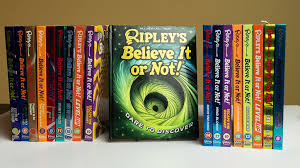
  • Ripley’s Believe It or Not Books: Never underestimate the power of weird trivia. These were fantastic for an end of the year news article writing assignment. They had to pick a bizarre event and then write a realistic sounding news article.
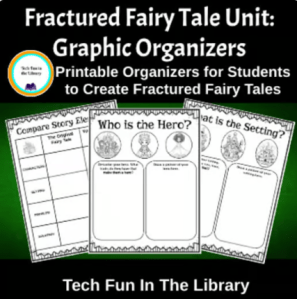
  • Fractured Fairy Tales: We spent time analyzing traditional fairy tales and breaking down how they are built. Then, I set the students loose to write and create their very own fractured versions. They had a blast spinning old classics on their heads.
  • Studying Point of View: I pulled various picture books specifically to study point of view. Because they are short and direct, they were a fast, visual, and really effective way to show students how a story changes drastically depending on who is telling it.

Keeping Catalog Skills Sharp

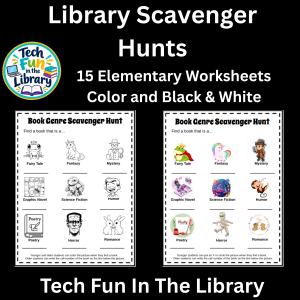
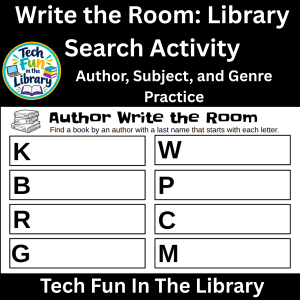
  • Destiny Scavenger Hunts: Destiny Scavenger Hunts: To make sure they didn’t lose their practical library skills amidst all the big projects, we periodically did Destiny Scavenger Hunts. It was a great way to keep them familiar with using the library catalog system so they can find the books they need.

Year One: In the Books!

Overall, it was a great first year with this course. I was definitely worried at the beginning, but it quickly became one of my absolute favorite classes. It turns out that when you give 7th and 8th graders the right mix of new activities, videos, and creative choices, a 90-minute block actually flies by. I’m so glad I got to try these new ideas with them, and I’m already looking forward to adding to the class year after year.

Fellow librarians: Do you teach a junior high or middle school block? What are your go-to resources for media literacy or creative writing? Let’s swap ideas in the comments!

Click the images below to find these activities on my TPT page.

Behind Closed Doors: Inside the Empty School Library

The final bell has rung, the backpacks are cleared out, and the hallways are completely quiet. You might think the school library goes to sleep for the summer… but you’d be wrong.

Have you ever wondered what the books do when the students are away? We managed to sneak in and capture some exclusive behind-the-scenes footage. Here is the actual truth about what happens after student leave for summer break:

  • The Graphic Novel Reunion: During the school year, the Dog Man and I Survived books are never on the shelf at the same time. They are constantly checked out! Summer is their only chance to finally sit together, catch up, and swap stories.
  • The Picture Book Spa Day: After nine months of being stuffed headfirst into overstuffed backpacks next to crunchy potato chips, dropped on the floor, and read aloud to enthusiastic puppies, the picture books are finally taking a break. Right now, they are relaxing on the shelves, getting a gentle spine massage, and enjoying the peace and quiet.
  • The Chapter Book Marathon: The thick chapter books have been waiting all year for someone with enough free time to read past chapter three. Right now, they are flexing their bookmarks, stretching their pages, and doing some heavy lifting to get in shape for your fall book reports.
  • The Scanner’s Deep Sleep: The library barcode scanner beams its red laser thousands of times a week. It is currently in a deep hibernation mode, dreaming of that satisfying BEEP! sound. (Please do not make any loud noises near the circulation desk; we don’t want to wake it up.)
  • The Great Book Drop Vacation: The library book drop handles hundreds of heavy books a day. Right now? It’s taking a well-deserved nap. We even caught it wearing sunglasses.
  • The Dust Bunny Takeover: With no feet running down the aisles, the library dust bunnies have formed a tiny civilization in the biography section. They are currently electing a mayor.

The Librarian’s Confession

As for me? I’m busy doing the most important summer job of all: reading a massive stack of brand-new books to make sure they are safe for the shelves this fall. (It’s tough work, but someone has to do it!)

We miss you already, readers! Stay cool, read some great books at home, and try not to let the dust bunnies take over your bedroom.

What do you think your favorite library book is doing right now? Let us know in the comments below!

Believe It or Not: Student Reporters on the Scene!

As we wrap up the school year in the middle school library, students have been having fun with a creative writing activity inspired by our Ripley’s Believe It or Not books. Students browsed through the books looking for a strange, unusual, or downright bizarre fact or event. Once they found one, they had to write a news report covering the story as if they were a real reporter.

One of my favorite parts of this activity was listening to students react as they flipped through the pages. There were plenty of “Oh gross!” comments and lots of students calling out to friends across the library to share some unbelievable fact they had just discovered. The books sparked curiosity, laughter, and lots of conversation.

This activity was a great way for students to continue practicing their writing skills while also exploring books they might not normally pick up. Sometimes the best way to get students excited about reading and writing is to let them discover just how weird and wonderful the world can be!

Fairy Tales, Fractured Fun, and Library Magic

I love May because the sun is shining, the birds are singing, and it is time to begin our fairy tales unit in the library! This is always one of the most enjoyable units of the year, and students of all ages look forward to it.

Fairy tales are important because they help students explore storytelling, character development, problem solving, and life lessons that have been shared for generations. They also introduce students to different cultures and traditions through stories that have been passed down over time. As we read fairy tales together, students practice making predictions, comparing stories, identifying themes, and recognizing story elements.

Over the years, I have added many cultural fairy tale versions to our library collection so students can experience stories from around the world. Some favorites include Ra Pu Zel and the Stinky Tofu, The Rough-Face Girl, and Lon Po Po. These stories help students see both the similarities and differences in tales across cultures while broadening their understanding of traditions and perspectives from around the world.

One of the best parts of the unit is adding our own creative twist through fractured fairy tales. These stories take familiar fairy tales and change them in funny, surprising, or unexpected ways. Students love comparing the original versions with the fractured versions and noticing how the stories are transformed.

After reading many different fractured fairy tales together, students get the opportunity to create their own. Their creativity always shines as they reimagine classic characters, settings, and plots in brand-new ways. This unit is filled with laughter, imagination, and wonderful storytelling, making it a favorite time of year in the library!

I have also created activities to go along with our fractured fairy tale unit, and they are available in my Teachers Pay Teachers store for anyone looking to bring a little extra fairy tale fun into their classroom or library.

Click here to grab your copy of the Fractured Fairy Tale Unit

Wrapping Up the School Year in the Library

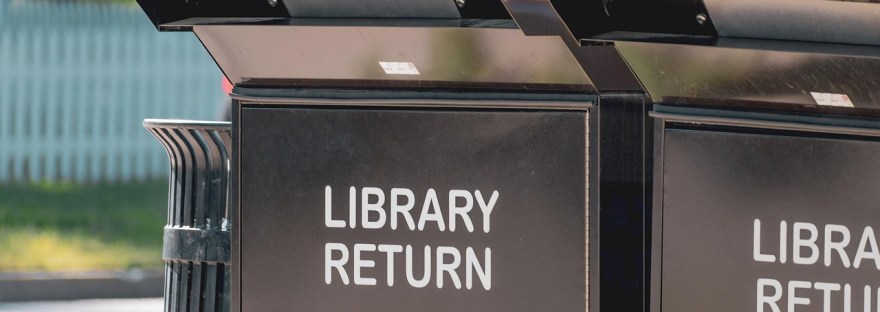
As the school year comes to a close, it is time to begin wrapping things up in the library. One of the biggest end-of-year tasks is making sure all library books are returned. I am currently sending reminder emails home to families to help track down overdue books and get everything checked back in before summer break.

During the last two weeks of school, there will be no book checkout so we can focus on getting materials returned and preparing for inventory. To encourage students, classes that have all books returned or paid for will earn popsicles! The first class to complete this goal will also receive an extra activity day in the library with STEM activities and games.

Another important task this time of year is the annual library inventory. With a full teaching schedule, finding time for inventory can be challenging, so I try to work on it whenever I have a few free moments. Field trip days are especially helpful, and I also work before or after school when meetings and IEPs do not fill the schedule.

Weeding the collection is another ongoing project. While I do some weeding during inventory, I try to keep up with it throughout the year while shelving books and checking shelf order. This makes the process much more manageable in the spring. With new books arriving each year, I typically remove a few hundred older titles annually to keep the collection current, useful, and engaging for students.

On the last day of school, after the students head home for summer, I finish the year by wiping down shelves and dusting books one final time before summer break begins. It is a busy season, but it is also rewarding to prepare the library for another great year ahead!

Researching Nature’s Uninvited Guests

This week in the library, my middle school students took on a short research project all about invasive species. We started by watching a Retro News video about snakes in the Everglades. While they watched, students answered a few questions tied to the video, which really helped keep them focused and thinking about what they were seeing.

After the video, we had a great discussion about how these species ended up in new environments and the impact they can have. Students were especially interested in just how quickly things can get out of balance.

From there, they split into four groups and each group researched a different invasive species from around the world. They used their time to gather information and put together a Google Slides presentation to share what they learned with the class.

It was fun to see how engaged they were throughout the process. Students were asking thoughtful questions, digging into their topics, and really taking ownership of their learning. It turned into a great mini research project that fit perfectly into our library time.

Poetry Month Made Simple

April in the elementary library is all about Poetry Month. The whole month we focus on reading poems, sharing them, and giving students time to write their own. It is always fun to see how creative they get and how proud they are to share what they wrote.

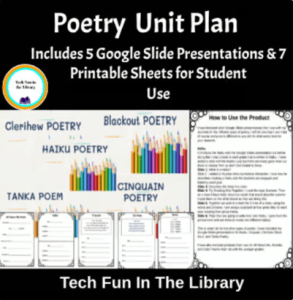
To make things easier for teachers, I put together a poetry unit that is simple to use and ready to go. It includes Google Slides that introduce different types of poems in a way students can actually understand and enjoy, plus worksheets they can use to practice and create their own writing.

I know how busy things can get, so this unit is meant to take the stress out of planning. It is an easy way to bring poetry into your classroom without a lot of extra prep.

Poetry Month is such a great chance for students to try something new, have fun with words, and build confidence as writers. It is always a highlight of the year in the library.

Click here to go to my TPT page.

Lucky Stories and Folklore Fun: St. Patrick’s Day Reads for the Library

One of my favorite things about being a school librarian is tying books to holidays. It just makes reading feel a little more fun for students, and it’s an easy way to bring in traditions, stories, and a little learning at the same time. St. Patrick’s Day is a great one for this because there are so many stories about luck, leprechauns, and a little bit of mischief. Of course, I always keep in mind that not all students celebrate every holiday, so I try to approach it in a way that’s fun and educational without assuming everyone is participating.

It’s also a really good time to talk with students about folklore. A lot of the stories connected to St. Patrick’s Day come from Irish folklore. Folklore is basically stories that have been passed down over time. People told them long before they were written down, and they were shared from one generation to the next. Sometimes the stories change a little depending on who is telling them, but the main ideas stick around. I like pointing this out to students because it helps them see that stories can travel through time and still be enjoyed today.

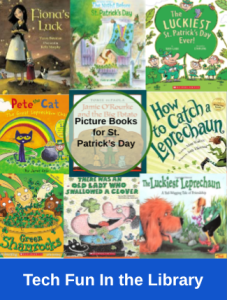
Here are some of the books I like to share in the library around St. Patrick’s Day.

How to Catch a Leprechaun by Adam Wallace is always a big hit. Students love the rhymes and all the creative traps people try to build to catch a sneaky leprechaun.

The Night Before St. Patrick’s Day by Natasha Wing is a fun twist on the classic Night Before Christmas style rhyme. Two kids get everything ready for the holiday, and it builds a lot of excitement.

Fiona’s Luck by Gail Gibbons is one I like to use when talking about folklore. Fiona is clever and brave, and students enjoy seeing how she outsmarts the leprechauns.

The Luckiest St. Patrick’s Day Ever! by Teddy Slater follows a boy named Sean who thinks finding a pot of gold will make his day perfect. By the end he realizes that the real luck comes from family and friends.

Pete the Cat: The Great Leprechaun Chase by Kimberly and James Dean is perfect for younger students who already love Pete. When Pete hears about a hidden pot of gold, he goes on a leprechaun chase to try to find it.

Jamie O’Rourke and the Big Potato by Tomie dePaola is a funny Irish folktale about the laziest man in Ireland who somehow ends up growing a giant potato. It’s a great read aloud and a fun way to introduce folktales.

Green Shamrocks by Eve Bunting is a sweet story about Rabbit growing shamrocks for the St. Patrick’s Day parade. When they go missing, Rabbit goes on a search to find them before the celebration.

There Was an Old Lady Who Swallowed a Clover by Lucille Colandro is a silly read aloud that students love to join in on.

The Luckiest Leprechaun by Bryce Dallas Howard tells the story of Finn, a leprechaun who has plenty of luck but wishes he had a real friend to share it with.

Holiday themed books make it easy to mix fun with learning. Students get excited about the stories, and it’s a great way to bring in things like traditions, folktales, and cultural stories from around the world.

If you use these books with your students, I also have companion activities in my TPT store that go along with many of these titles and work well as follow up activities after the read aloud.

Click here to check out activities on my TPT page.

Deep Thinking Over Hot Coffee

This week in our Grade 7 and 8 library class we dove into Retro News articles, and it ended up being one of those lessons that went even better than I planned. Surprisingly my students were really engaged in this assignment, and you could actually see the deep thinking happening.

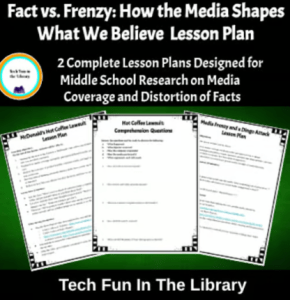
This lesson focused on the famous Liebeck v. McDonald’s Restaurants case, better known to most people as the McDonald’s hot coffee lawsuit. Some of the students thought they already knew the story while some had never heard of it which is not surprising since it did happen in the early 90s. “Someone spilled coffee and sued for millions.” That was the reaction at first. After talking about it a bit we watched a short video on Retro News that walked through what actually happened.

As they watched, students answered comprehension questions to show they were really paying attention. I always tell them that in library class we are not just reading books. We are learning how to read the world. The questions helped them slow down and notice details. What were the injuries? What did the company know? What information was left out of the headlines?

The discussion after the video is when some great discussions began. Students were genuinely surprised at how different the full story was from the version they had heard before. We talked about the power of media and how a story can be framed in a way that shapes public opinion. We looked at headlines, tone, and how quickly people form opinions without all the facts.

Then we moved into group work. I split the class into four teams and each one took a different deep dive angle.

*Product Safety and Corporate Response
*Legal Precedents and Consumer Protection
*Media Framing and Public Opinion
*Ethics, Fairness and Corporate Responsibility

Each group created a presentation to teach the rest of the class about their findings. I loved seeing them take ownership of their section. They were citing evidence, making connections between cases, and even challenging each other’s thinking in respectful ways. Several students said they were shocked at how many similar cases have happened and how often key details get left out when stories are retold.

What started as “that silly coffee lawsuit” turned into a powerful lesson in media literacy, critical thinking, and asking better questions. Watching students move from quick assumptions to thoughtful analysis reminded me exactly why I love teaching library.

Retro News for the win.

Don’t Judge a Book by Its Page Count: Picture Books in Middle School

When people think of picture books, they often imagine elementary classrooms and early readers. But here is something I have been happily reminded of this year: middle school students still love picture books, and they benefit from them in powerful ways.

I was not sure how my middle school students (grades 7 and 8) would respond to participating in a Mock Caldecott Medal this year. Would they think it was too young? Would they take it seriously? As it turns out, they absolutely rose to the occasion.

At their age, they were mature enough to thoughtfully evaluate the books using our four criteria: Art Technique is Good, Art Helps Tell the Story, Artwork Matches Mood, and Artwork Meant for Kids. As they read through the titles on our mock list, I could hear them debating artistic choices, discussing how illustrations supported the text, defending their scores with evidence, and even questioning the mediums used for the artwork. They were asking whether an illustrator used watercolor, collage, digital art, or mixed media, and discussing how those choices affected the overall impact of the story. They were not just reading. They were analyzing.

Picture books are uniquely powerful for middle schoolers for several reasons.

First, they spark great conversations. Because the books are shorter, students are more willing to jump in and share their opinions. Before you know it, they are pointing out small details in the illustrations or arguing about whether the artwork really matches the mood of the story.

They also let students dig deeper without feeling overwhelmed. A picture book might look simple, but there is often a lot going on beneath the surface. The combination of text and illustrations gives them more to notice and more to talk about.

And honestly, they are fun. Middle schoolers still enjoy being read to. They still like flipping through beautifully illustrated pages. Giving them access to picture books reminds them that reading does not always have to feel heavy or complicated to be meaningful.

Our Mock Caldecott experience did more than introduce students to new and engaging picture books. It also gave them an understanding into how the Caldecott process works and helped them appreciate the artistry behind the books they may have once rushed past.

Most importantly, it reminded all of us that picture books are not defined by age level. They are defined by the power of storytelling. And middle schoolers are more than ready to engage with that power.

If you need a Mock Caldecott lesson plan you can find one in my TPT store.