
When people think of picture books, they often imagine elementary classrooms and early readers. But here is something I have been happily reminded of this year: middle school students still love picture books, and they benefit from them in powerful ways.
I was not sure how my middle school students (grades 7 and 8) would respond to participating in a Mock Caldecott Medal this year. Would they think it was too young? Would they take it seriously? As it turns out, they absolutely rose to the occasion.
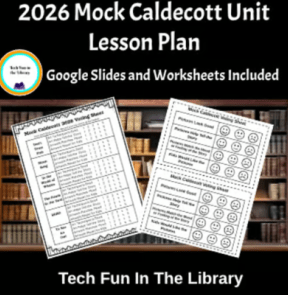
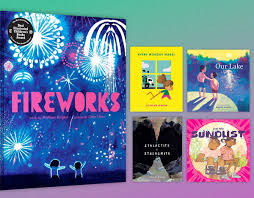
At their age, they were mature enough to thoughtfully evaluate the books using our four criteria: Art Technique is Good, Art Helps Tell the Story, Artwork Matches Mood, and Artwork Meant for Kids. As they read through the titles on our mock list, I could hear them debating artistic choices, discussing how illustrations supported the text, defending their scores with evidence, and even questioning the mediums used for the artwork. They were asking whether an illustrator used watercolor, collage, digital art, or mixed media, and discussing how those choices affected the overall impact of the story. They were not just reading. They were analyzing.
Picture books are uniquely powerful for middle schoolers for several reasons.
First, they spark great conversations. Because the books are shorter, students are more willing to jump in and share their opinions. Before you know it, they are pointing out small details in the illustrations or arguing about whether the artwork really matches the mood of the story.
They also let students dig deeper without feeling overwhelmed. A picture book might look simple, but there is often a lot going on beneath the surface. The combination of text and illustrations gives them more to notice and more to talk about.
And honestly, they are fun. Middle schoolers still enjoy being read to. They still like flipping through beautifully illustrated pages. Giving them access to picture books reminds them that reading does not always have to feel heavy or complicated to be meaningful.
Our Mock Caldecott experience did more than introduce students to new and engaging picture books. It also gave them an understanding into how the Caldecott process works and helped them appreciate the artistry behind the books they may have once rushed past.
Most importantly, it reminded all of us that picture books are not defined by age level. They are defined by the power of storytelling. And middle schoolers are more than ready to engage with that power.
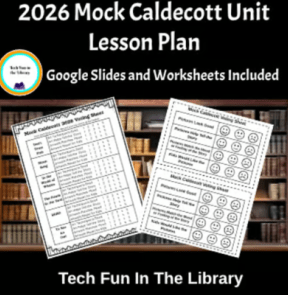
If you need a Mock Caldecott lesson plan you can find one in my TPT store.
 Tech Fun In The Library