
This week in our Grade 7 and 8 library class we dove into Retro News articles, and it ended up being one of those lessons that went even better than I planned. Surprisingly my students were really engaged in this assignment, and you could actually see the deep thinking happening.
This lesson focused on the famous Liebeck v. McDonald’s Restaurants case, better known to most people as the McDonald’s hot coffee lawsuit. Some of the students thought they already knew the story while some had never heard of it which is not surprising since it did happen in the early 90s. “Someone spilled coffee and sued for millions.” That was the reaction at first. After talking about it a bit we watched a short video on Retro News that walked through what actually happened.
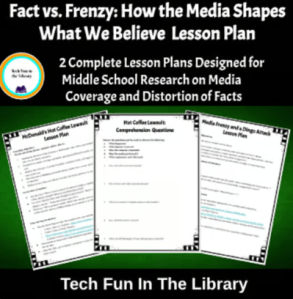
As they watched, students answered comprehension questions to show they were really paying attention. I always tell them that in library class we are not just reading books. We are learning how to read the world. The questions helped them slow down and notice details. What were the injuries? What did the company know? What information was left out of the headlines?
The discussion after the video is when some great discussions began. Students were genuinely surprised at how different the full story was from the version they had heard before. We talked about the power of media and how a story can be framed in a way that shapes public opinion. We looked at headlines, tone, and how quickly people form opinions without all the facts.
Then we moved into group work. I split the class into four teams and each one took a different deep dive angle.
*Product Safety and Corporate Response
*Legal Precedents and Consumer Protection
*Media Framing and Public Opinion
*Ethics, Fairness and Corporate Responsibility
Each group created a presentation to teach the rest of the class about their findings. I loved seeing them take ownership of their section. They were citing evidence, making connections between cases, and even challenging each other’s thinking in respectful ways. Several students said they were shocked at how many similar cases have happened and how often key details get left out when stories are retold.
What started as “that silly coffee lawsuit” turned into a powerful lesson in media literacy, critical thinking, and asking better questions. Watching students move from quick assumptions to thoughtful analysis reminded me exactly why I love teaching library.
Retro News for the win.
 Tech Fun In The Library