Happily Ever After in the Library

The countdown to summer has begun, and let’s be honest — things are getting a little wild. Teachers are tired, students are buzzing with end-of-year energy, and routines are starting to blur. But before we close the books for the year, there’s still time for one more exciting unit in the library: fairy tales! It’s the perfect mix of fun, imagination, and just enough structure to keep us going strong to the finish line.

Each year in May I love doing a fairy tale unit with all of my K-6 library classes. We start off by going over the elements of a fairy tale. I use a Google Slides presentation that we look at together as a class. It covers things like magical elements, good vs. evil, unique characters, and the number 3. Then we jump into reading different fairy tales. I pick different ones for each grade so I can reuse the same plans next year without having to start from scratch.

As we read, I ask the students to find the fairy tale elements we talked about. Once I have read the fairy tale I then ask them to tell me what elements they saw in the story. Students raise their hands and I give them the chance to pick one. This is also a time you could have them turn to their table partner and discuss them together before sharing. It is always fun to see their excitement as they recall the story and elements.

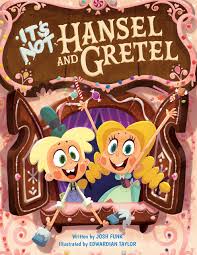
After that, I introduce fractured fairy tales — the silly or twisted versions of the originals. We read lots of those too. The older kids, grades 4–6, get to write their own fractured fairy tales, and they always come up with such creative and funny ideas. I have created some graphic organizers that work well for helping them to gather their thoughts and get those creative juices flowing. While students may start with a groan about writing it usually turns out to be one of their favorite projects.
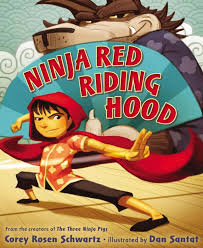
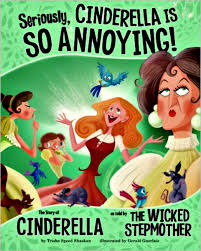
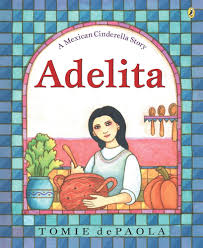
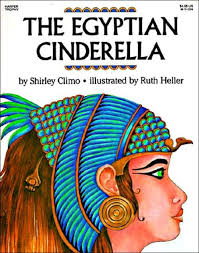
To wrap up the unit I like to read fairy tales from other countries. It’s a great way to show students that these stories exist all over the world and often teach similar lessons. They start to notice how different cultures tell similar kinds of stories.
This unit is always a highlight of the year. It’s fun, engaging, and a great way to end the school year on a high note.
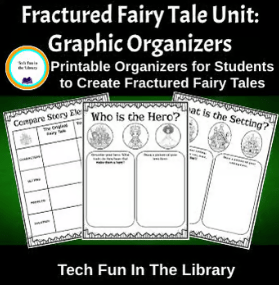
Shop here for your fractured fairy tale graphic organizers.

Groundhog Day in the Library

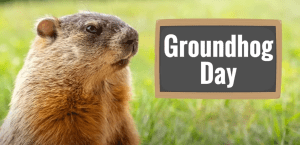
This little holiday is overlooked by many. I know in my school, until I started sharing books about Groundhog Day, most my young readers had never even heard of it. Teachers have so much to squeeze into their day they don’t have time to add this little holiday into the mix. Thus, sharing books and “celebrating” in the library is a great way to expose students to this quirky little holiday that is sometimes overlooked.

Groundhog Day Read Alouds

Each year I have a different book that I read to each grade. Reading picture books about Groundhog Day to students in the library is a delightful way to get them excited about the season’s big question—will we have an early spring or six more weeks of winter? Depending on where February 2nd falls in the we will celebrate the day of or the day before and other years we celebrate the day after.

Here are some books I like to share with my students:

  • Kindergarten: How to Catch a Groundhog
  • 1st Grade: Wake Up Groundhog
  • 2nd Grade: Groundhog’s Day Off
  • 3rd Grade: Groundhog’s Dilemma
  • 4th Grade: Groundhog Gets a Say
  • 5th Grade: Groundhog Gets it Wrong
  • 6th Grade: Phil’s Big Day

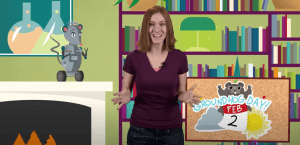
After we read the story I like to share a video about Groundhog Day so they understand the background behind it and why it is celebrated. Here are a couple good ones I found on Youtube that I like to share with students.

Lesson Finale

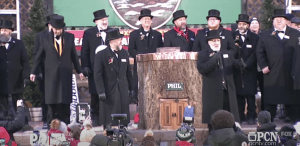
After reading the picture book and watching the short video it is time to actually watch the real Phil make his predictions. It is fun to do a quick class vote to see who wants 6 more weeks of winter and who wants an early spring. This year my classes had an overwhelming desire for 6 more weeks of winter because we have not had any snow yet and we are all still hopeful.

If I am doing this lesson prior to Groundhog Day I show the video from the previous year to let them see how it works. Once February 2nd has arrived and the new prediction is made I take time in class to show them the current results. This year Groundhog Day falls on Sunday February 2nd so we will do the lesson on Monday February 3rd and Tuesday February 4th. We will then be able to watch the most recent prediction on the same day we read the stories. I always just go to Youtube and look for “Groundhog Phil Prediction Pennsylvania” to find the most recent one.

Here is the one from this year that we watched.

There you have it, celebrating Groundhog Day in the library with picture books and short video clips is a fun and engaging way to introduce your students to this quirky tradition. So, whether you’re reading a fun picture book, watching a short video, or doing both Groundhog Day in the library is a fantastic way to embrace the season and spark children’s imaginations.

Looking for some fun activities to add to your lesson?

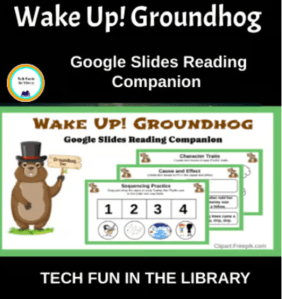
Shop here for Wake Up! Groundhog

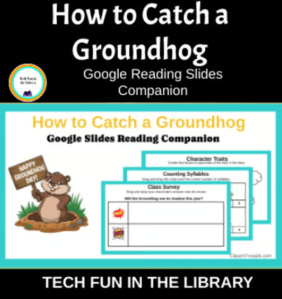
Shop here for How to Catch a Groundhog

Celebrate Lunar New Year with Picture Books

Lunar New Year, also known as the Spring Festival, is a time of celebration, family gatherings, and cultural reflection. For many families, it’s not just about the festivities; it’s also about passing down traditions and values to the next generation. One of the most enjoyable and meaningful ways to help your students learn about the culture importance of Lunar New Year is by reading picture books that highlight the stories, customs, and history of this holiday.

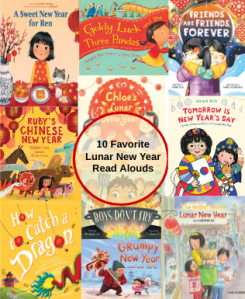
A Sweet New Year for Ren by Michelle Sterling: A picture book about a young girl named Ren who eagerly anticipates Lunar New Year and the family traditions and festivities that come with it.

Goldy Luck and the Three Pandas by Natasha Yim: A girl named Goldy Luck is not very lucky and ends up causing chaos in her neighbor’s home. This is a fractured fairy tale replacing Goldilocks with Goldy and the Three Bears with Pandas.

Friends are Friends Forever by Dane Liu:  Join Dandan, a young girl who is moving from China to America, and her close friend Yueyue, as they navigate the emotions of saying goodbye while cherishing their shared tradition of making paper snowflake decorations on Lunar New Year’s Eve.

Ruby’s Chinese New Year by Vickie Lee: Tells the story of a young girl named Ruby who wants to deliver a special card to her grandmother for Chinese New Year, but her grandmother can’t travel so Ruby decides to journey to her instead.

Chloe’s Lunar New Year by Lily LaMotte and Michelle Lee: Join Chloe as her family prepares for the Lunar New Year.

Tomorrow is New Year’s Day by Aram Kim: Mina shares the traditions of Seollal (Korean Lunar New Year) with her classmates at school while trying to include her reluctant younger brother.

Boys Don’t Fry by Kimberly Lee: Jin wants to help his Malaysian family prepare for the Lunar New Year feast. But, he is discouraged because “boys don’t fry” or cook. Jin’s grandmother recognizes his passion and allows him to join in the meal prep traditions.

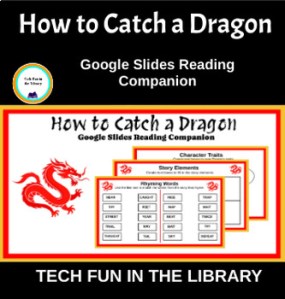
How to Catch a dragon by Adam Wallace: This book follows a group of kids during Chinese New Year celebrations as they try to catch a mischievous dragon that is roaming through their town.

Grumpy New Year by Katrina Moore: A young girl named Daisy wants to visit her Grandpa in China to celebrate Lunar New Year. In her excitement she becomes too tired to sleep and becomes grumpy.

The Night Before Lunar New Year by Natasha Wing and Lingfeng Ho: A picture book about a young girl who is excited for Lunar New Year but is nervous about the loud noises at the parade.

Activities You Might Find Helpful:

Shop for your copy of How to Catch a Dragon here.

Shop for your copy of Lunar New Year Sudoku here.

Same Same But Different: Kindergarten Lesson

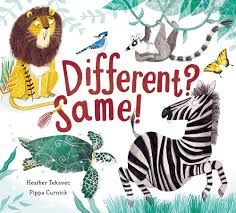
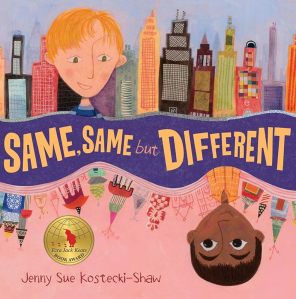
I have been doing this lesson with kindergarten for a few years and thought I would share. Because…who can’t use some new ideas? I like this lesson because it gives me the chance to use a great SEL book about how we are all different and discuss how it is okay to be different. For this lesson you need to use the books Same Same But Different by Jenny Sue Kostecki-Shaw and Different? Same? by Heather Tekavec. If you don’t have the books in your library yet you can always borrow from the public library for the lesson. I have also had great success with using EPIC at times and projecting the book to read to them. Sometimes we have to be creative in finding books when budgets are small for school libraries.

Different? Same?

I read this one to the students first to get them thinking about how animals are different. As I read each page I give them time to guess what they think the animals will have in common before I read the last sentence. Kinders love to be involved in the story so this is a perfect chance to let them share their ideas. I also use this as a time to encourage hand raising and not yelling out. They will come up with lots of different ideas and some they get the same answer as the story right away and others it takes a bit of prodding. I love it because they are learning to think outside the box and realizing that there can be more than one right answer.

Same Same But Different

After we finish the first book we move on to read the book Same Same But Different. I like to start by asking how people could be the same, how people could be different, and is it okay to be different? It is also a good time to let them make predictions. Show the cover and ask them what they think the book will be about. Anything to get them thinking about the book before you start.

As you read you can stop and ask how the boys are the same and different in the story. After the story you can discuss how we might all be the same and different. You could start a discussion about where they live, what they eat, etc. then compare to one another. EXAMPLE: “My favorite ice cream is chocolate ice cream.” you could let each one tell their favorites. After they share you can reinforce the idea that it is okay that we all like different kinds…there is no wrong or right kind of ice cream. There are lots of things you can do to get them thinking about how it is okay to be different.

Activity After the Story

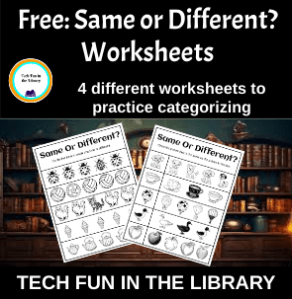
I like to always have some type of lesson for them to do that ties to the book. My admin wants library to be “like a class” so I try to combine fun and learning whenever possible. I know they like to draw and color so some days we do that but I feel that adding some type of learning worksheet gives it just a bit more “class” feel. For these books I chose to have them do a couple worksheets finding things that were the same and different. They can use crayons and then color the pages after they circle their answer. I have created 4 different worksheets that my students use and you can get a copy of them for FREE by clicking the link below.

Get your FREE Same or Different? worksheets here.

I have had great success with this lesson. It keeps students engaged, it gives the chance to share 2 fun books, and there are learning activities at the end. If you are looking for lesson ideas for your kindergarten class give it a try and let me know what you think. See you next time!

Fun Lesson with First Graders

My first graders come to the library twice a week. If you know this age group you know that there are times they can get a little squirmy and bored if you don’t have something to keep them engaged the whole class period. This week we worked on one of my Google Slides Reading Companions activities. It was the perfect way for students to get back into the swing of library after an extended break.

What are Google Slides Reading Companions?

These are lessons I have created to bring both tech and library together. I not only teach library but I also teach technology. When I first started doing both 8 years ago I had no idea how to get enough time to improve skills in both areas. I decided to create some lessons that would give them the library skills and books while at the same time working on basic tech skills. The Google Slides Reading Companion was born!

No Snow Yet…But We Are Hopeful

As I have said in other blogs winter themed read aloud are perfect for this time of year. I chose to do Just One Flake this week. We read the story and then talked about times that they tried to catch snowflakes on their tongues. Almost all admitted they have tried to do this when it snows. After the story I used the projector to display the slides and show students what they needed to do for each slide. Then students logged onto their Chromebooks and began the lesson.

Tech Skills Practiced

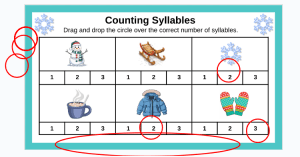
At this age I know mastering the track pad is key to being successful on the Chromebooks. This lesson has a lot of drag and drop activities to give students the practice they need manipulating the trackpad. Is it always easy? No, sometimes they get frustrated when they can’t get the object to move or when they stretch out the circle they are trying to drag and drop. But, as with anything, practice makes perfect. I remind them that the more they practice the easier it will become. Below is an example of one student’s work dragging and dropping circles over the correct number for syllables. As you can see they did stretch out the circles.

Movement During the Lesson

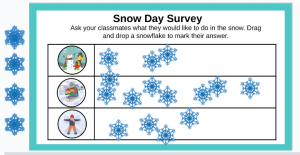
I love that this lesson adds a chance for movement during class. At the end of the slides there is a survey slide that students need to ask their classmates about a favorite event on a snow day. It is so fun to watch them go around asking their classmates what they like best and then dragging and dropping the snowflake to the appropriate box. They love getting to move around and talk while still being engaged in the lesson. Now that is a win for everyone!

A Great Way to Learn

Overall, it has been a great few days working with my first graders. Students have been engaged and having fun which makes them happy. Students have been learning new skills and practicing old skills which makes me happy. I didn’t have to make a stack of copies for assignments, I didn’t have to keep track of unfinished work until the next time they came, and I was able to watch them grow in their computer skills. If you are looking for a fun activity to use with your students Google Reading Slides Companions are a great way to add tech to your lessons.

Shop for your copy of Just One Flake here.

MLK Read Alouds

In honor of Martin Luther King Jr.’s birthday I like to read books about his life and contributions during the month of January. I feel it is important to introduce his powerful words and ideas to students of all ages. Whether teaching about his role in the Civil Rights Movement or simply sharing the values of equality and justice, books about Dr. King are a great way to engage young readers. Here are 12 of my favorite MLK books that offer valuable lessons for students and are both educational and inspiring.

Be A King by Carole Boston Weatherford: Uses key moments from Dr. Martin Luther King Jr.’s life to inspire children to stand up for what is right and make the world a better place.

I Have a Dream by Dr. Martin Luther King Jr.: Presenting key excerpts from the speech alongside vibrant paintings depicting the March on Washington and the dream of a racially harmonious America

We Dream a World by Yolanda Renee King: With inspiration from Langston Hughes and deep love for her grandparents, Yolanda King shows the world that young people are strong enough to carry on their elders’ legacy while creating a new path for themselves.

Martin Luther King, Jr.: A Kid’s Book About Advancing Civil Rights With Nonviolence by Mary Nhin: Find out what happens in this kid’s book about achieving goals with nonviolence. Sometimes, we are faced with challenges that seem insurmountable. But with grit and hard work, one can achieve great things!

Good Night Martin Luther King Jr. by Adam Gamble and Mark Jasper: An educational board book that teaches young readers about the life of Martin Luther King Jr., a leader of the American civil rights movement

I am Martin Luther King Jr. by Brad Meltzer: Biography that tells the story of Martin Luther King, Jr.’s life from childhood to his role in the civil rights movement

A Place to Land by Barry Wittenstein: Focuses on the night before Martin Luther King Jr.’s historic “I Have a Dream” speech at the March on Washington, where he struggles to find the perfect words to end his speech.

My Daddy Dr. Martin Luther King Jr. by Martin Luther King III: Kids will learn about the early civil rights movement, growing up as the son of a famous activist, how it feels to experience racism as a child, and what it’s like to lose a parent at a young age.

A Picture Book of Martin Luther King Jr. by David A. Adler: A brief, illustrated, biography of the Baptist minister and civil rights leader whose philosophy and practice of nonviolent civil disobedience helped American blacks win many battles for equal rights.