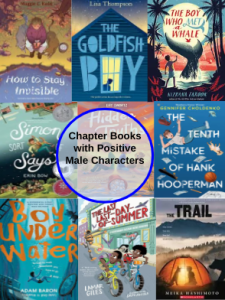
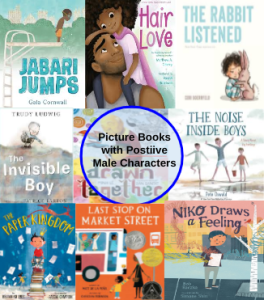
As we choose picture and chapter books to share with our students via read alouds or on our shelves, it is important to remember that they can be powerful tools to help shape young minds. In this mission to provide books that serve as windows and doors to all of our readers it is imperative we bring books with strong male protagonists to our young readers.
Positive Masculinity Representation
Providing books that have male characters who display empathy, kindness, respect, and emotional intelligence shows boys that it’s okay to show vulnerability and caring. These qualities can help bring a more rounded view of masculinity, possibly countering stereotypes that may limit emotional expression or compassion in boys.
Diverse Role Models
When boys encounter a variety of male characters with different experiences, personalities, and backgrounds, they learn that there is no single way to “be a man.” These characters can range from adventurous heroes to thoughtful leaders to young men struggling with mental or physical illnesses all broadening their understanding of who they can be.
Problem-Solving and Resilience
Male characters who overcome challenges, whether through intelligence, perseverance, or teamwork, help teach boys resilience. Seeing male characters work through difficult situations fosters a growth mindset and a belief in their own ability to solve problems.
Encouraging Emotional Expression
Books with male characters who express and process their feelings in healthy ways help boys understand that emotions are natural and should be acknowledged, not hidden or pushed aside.
Supporting Positive Relationships
Male characters in picture and chapter books can model positive relationships, whether with family, friends, or peers. Boys learn about friendship and the importance of mutual respect in these interactions.
Cultural and Social Awareness
Male characters in diverse settings and stories provide important lessons in cultural sensitivity and social awareness. They can show boys how to interact with people from different backgrounds, teaching acceptance and empathy from a young age.
Promoting Gender Equality
By featuring male characters who support and respect female characters, picture books can also model gender equality. Boys learn early on that valuing others and working together is important, regardless of gender.
In short, male characters in picture and chapter books can be essential role models who teach young boys about emotional health, problem-solving, empathy, resilience, and equality. The lessons they impart can significantly shape boys’ development into well-rounded, compassionate, and self-assured individuals.
 Tech Fun In The Library