January is “Mock” Caldecott Time!

January is right around the corner and that means it is time for our “Mock” Caldecott. This is one of my favorite units because it gets kids reading and evaluating books. January can be a bit rough as we come back from an extended winter break and the fun of all the holiday activities is behind us. Adding this unit has been a great way to keep students engaged and learning in the library.

Preparing for the Unit

Getting ready for this unit does take a bit of preparation on your part as you need to decide what books you will have students reading and evaluating for the unit. I go on the Internet and search up Mock Caldecott books that others have posted and are using. There are also Mock Caldecott groups on social media that can be very helpful. I try to find ones that are mentioned on numerous sites. No one knows for sure what books are being scored by the actual Caldecott judges but so far I have always ended up with winning books in the list of books I provided for my students to judge.

Where Do You Get the Books?

Of course, I don’t always have all of the books that I put on my list. I work in a small district so purchasing that many new books for one unit is not feasible. What do I do? I go to my public library and check out the ones I don’t already have in my library. I make sure that I remind the students over and over that the books we are looking at do not belong to our school so we need to be extra careful when reading them. I have never had an issue with damaged books. If using the public library isn’t an option you can still do the unit by just picking books from your library that you feel have great illustrations and would be good for student evaluations. It is the process of viewing books and illustrations that is important for this unit not necessarily the books themselves.

Time to Start

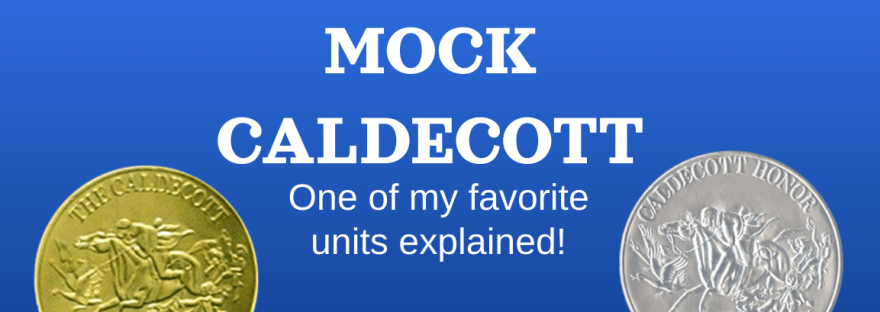
On the first day of the unit I pull as many Caldecott and Honor winners as I can from my collection and display them on the tray of the whiteboard. When students come in they notice the books and they start asking about them. I find this is a great way to introduce the unit because it has already captured their attention. I then ask them what the books have in common. There are lots of different answers that arise but each time one student does notice the Caldecott Medals on the front. Once they know this is what we will be learning about I start my Google Slides lesson giving background about the award. Yes, I do this year after year and my upper grade students have heard it before but they always forget so it doesn’t hurt to reteach.

Looking Closely at Picture Books

After that we dive into the books and get started. (Step by step lesson plans are included in my Mock Caldecott Unit Lesson) I choose to use 12 books each year and it takes us 2-3 weeks to get through them. I read the books to lower elementary then they vote. For upper elementary I have them read the books to themselves and vote. My students, even the reluctant readers, enjoy this unit because they are really evaluating the illustrations and the pressure to read is not there as it is in some other reading activities. As they are working on each book I love the conversations I am hearing about the books.

Overall, this unit is a great way for students to be exposed to new books and to take the time to evaluate the illustrations. I know my students enjoy this unit because each year when they come in and see the books on the whiteboard tray I hear, “Oh yay, we are picking the winners again!”

Shop for your 2026 Mock Caldecott Unit Lesson Plan here.

Shop for your 2025 Mock Caldecott and Newbery Award Unit Lesson Plan Bundle here.

Grab your your FREE Coretta Scott King Awards Google Slides Presentation here.
How to Play Kaboom! a Library Centers Game

When it comes to teaching elementary library classes I try to keep it fun and educational. One of the ways I do this is by offering library centers activities for students to use after a lesson or on specific days. Students want the fun aspect of library centers and my admin wants me to make sure that it is educational…the solution to both is using games like Kaboom!.

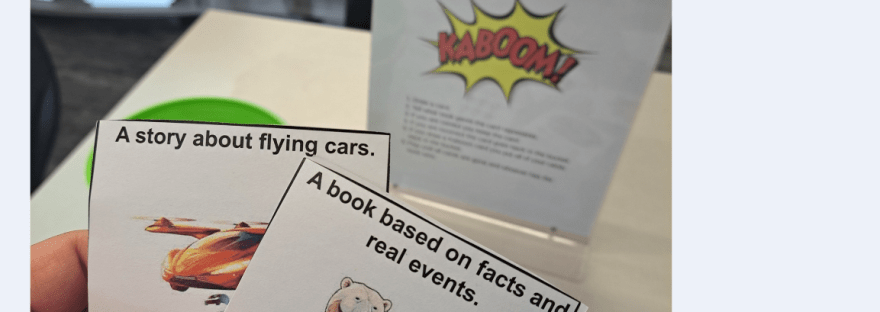
Kaboom! is one of my student’s favorite library centers activities. It can be used to practice book genres, shelf order, and the Dewey Decimal System. When it comes to reviewing or practicing these skills Kaboom! is the answer!

How to Play Kaboom!

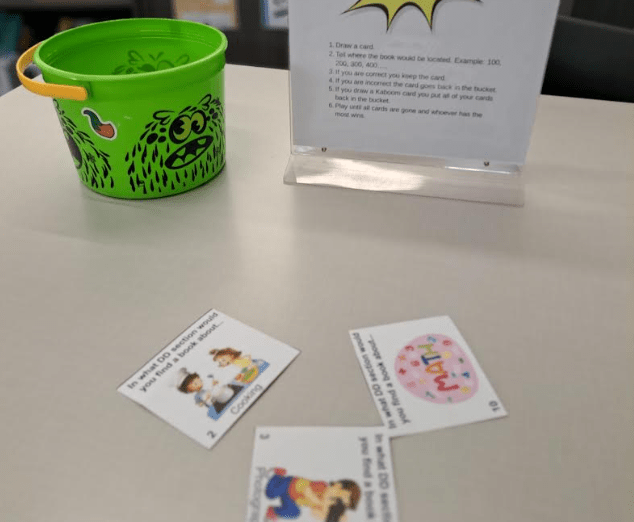
Extra perk…Kaboom! is a very simple library centers activity. To set up, all you need is a set of Kaboom! cards and a bucket or some type of vessel to put the cards in so students can’t see them when drawing a card.

 Let’s use Book Genre Kaboom! for the sake of instruction.

  • Students find their place at the table.
  • One at a time, students pull a card out of the bucket. 
  • The student drawing will read the book genre card and then tell the group what genre it is describing.
  • If the student gets the correct answer, they keep the card. If not, they put the card back in the bucket. 
  • The game continues as students take turns playing.
  • If a student gets a Kaboom card, that student puts ALL of their cards back into the bucket. 
  • The student with the most cards at the end of time is the winner.
  • I have one “expert” at the table who has the answer key and can judge whether the students have given the correct answer. The “expert” can rotate in and then someone else will become the “expert”.

As you can see, this game can be done with any concept, just switch book genre with one of the other library related Kaboom cards.

Secret fact about the game…IT NEVER ENDS. Eventually, somebody gets a Kaboom! card which means they have to put their cards back in the bucket thus adding to the cards in the bucket over and over again. For library teachers this means students are engaged and learning the full 10 to 15 minutes of the library centers rotation.

Shop for your copy of Kaboom! here.

Black History Month Read Alouds

Black History Month gives us an opportunity to educate our young readers about the contributions and experiences of African Americans and celebrate diversity through read alouds. Selecting the right books will not only inform students but also help inspire students to understand and appreciate contributions made by African Americans.

Reading books about African Americans gives us elementary librarians the opportunity to promote understanding and appreciation of diverse cultures through read alouds. These books not only celebrate the contributions of African Americans but also foster an understanding of their cultural significance within American history.

Here are a few of my favorites to use in the library during Black History Month.

The Oldest Student by Rita L. Hubbard: The true story of Mary Walker, a formerly enslaved woman who learned to read at the age of 116, becoming known as the “nation’s oldest student”.

Mae Among the Stars by Rhoda Ahmed: Mae dreams of dancing among the stars and becomes an astronaut with unwavering determination and support from her family.

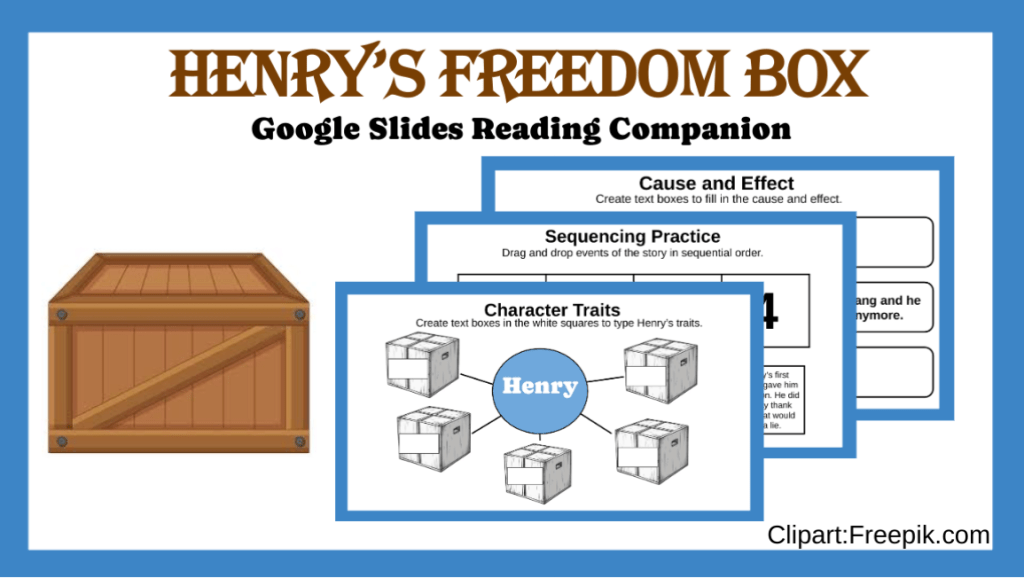
Henry’s Freedom Box by Ellen Levine: The true story of Henry “Box” Brown, an enslaved man who, after being separated from his family, decides to mail himself in a wooden crate to freedom in Philadelphia.

Hair Love by Matthew A. Cherry: Dad has to step in to help Zara do her hair but things don’t go as expected.

Hidden Figures by Margot Lee Shetterly and Winifred Conkling: The story of three African American women who helped during the Space Race.

Not Quite Snow White by Ashley Franklin: Tameika wants to play Snow White in the school play but negative comments by classmates and her own self doubt could keep her from trying out for the part.

The Boy Who Harnessed the Wind by William Kamkwamba and Bryan Mealer: The true story of William Kamkwamba, a young boy from Malawi who builds a windmill to bring electricity to his village during a drought.

Kick Push by Frank Morrison: The story of a skateboarder named Epic who learns to be himself and finds new friends in the process.

The Year We Learned to Fly by Jacqueline Woods on: A brother and sister learn from their grandmother to use their imaginations to “fly” above their difficulties.

Shop my store for Black History Month activities.

 Not Quite Snow White: Google Slides Reading Companion

Henry’s Freedom Box: Google Slides Reading Companion

Hair Love by Matthew A. Cherry: Google Slides Reading Companion